

Exploring the World of Sea Freight Logistics
In today’s globalized economy, sea freight plays a crucial role in the transportation of goods across continents. Understanding the intricacies of sea freight logistics is essential for businesses looking to optimize their supply chain operations and expand their reach internationally
Introduction to Sea Freight
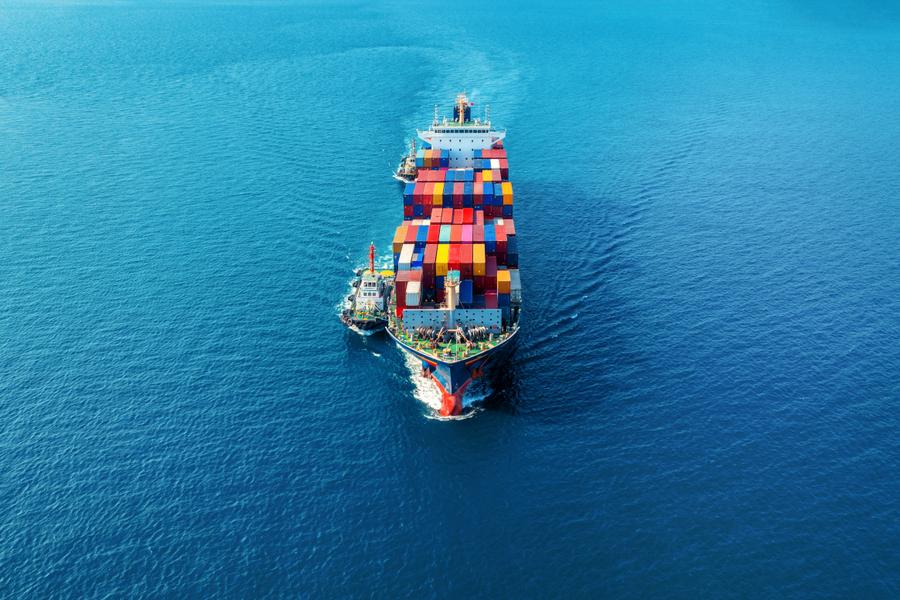
Sea freight, also known as ocean freight, is the transportation of goods via ships across oceans and seas. It is one of the oldest and most cost-effective modes of transporting goods over long distances. Sea freight offers several advantages such as the ability to transport large volumes of goods, cost-effectiveness for bulky or heavy items, and lower carbon emissions compared to air freight
Benefits of Sea Freight
One of the primary benefits of sea freight is its cost-effectiveness, especially for businesses shipping large quantities of goods. Sea freight also offers more flexibility in terms of the types and sizes of cargo that can be transported. Additionally, sea freight allows for easy tracking and monitoring of shipments through advanced technology and logistics systems
Challenges in Sea Freight Logistics
While sea freight has numerous advantages, it also presents challenges that businesses need to navigate effectively. Delays due to weather conditions, port congestion, customs clearance issues, and potential damages to goods during transit are some common challenges faced in sea freight logistics. However, with proper planning and coordination, these challenges can be mitigated
Technology in Sea Freight
Advancements in technology have revolutionized the sea freight industry, making operations more efficient and transparent. From online booking platforms to real-time tracking systems, technology has enabled better visibility and control over shipments. Automation tools also help streamline processes and reduce human errors in documentation and compliance
Sustainable Practices in Sea Freight
As environmental concerns continue to rise, sustainability has become a key focus in the shipping industry. Many companies are adopting eco-friendly practices such as using cleaner fuels, optimizing routes to reduce emissions, and investing in energy-efficient vessels. Sustainable sea freight practices not only benefit the environment but also enhance a company’s reputation as a responsible corporate citizen
Conclusion
Sea freight remains an integral part of global trade, offering a reliable and cost-effective solution for businesses looking to transport goods internationally. By understanding the nuances of sea freight logistics, companies can optimize their supply chain operations and achieve greater efficiency in their global trade activities